

The difference
- Statutory warranty (Gewährleistung) is by law: the seller is liable for the item being free of defects at handover. Period: two years (§ 438 BGB).
- Guarantee (Garantie) is voluntary, usually from the manufacturer, with its own terms (§ 443 BGB). It applies in addition, not instead.
Burden of proof
If a defect appears within one year of buying from a business, it is presumed to have existed at handover (§ 477 BGB). After that, you must prove it — often with an expert report.
Buying a car
- New car: two years' warranty from the dealer, often plus a manufacturer guarantee.
- Used car from a dealer: warranty may be shortened to one year, not excluded.
- Private sale: "sold as seen" usually excludes the warranty — except for fraudulently concealed defects.
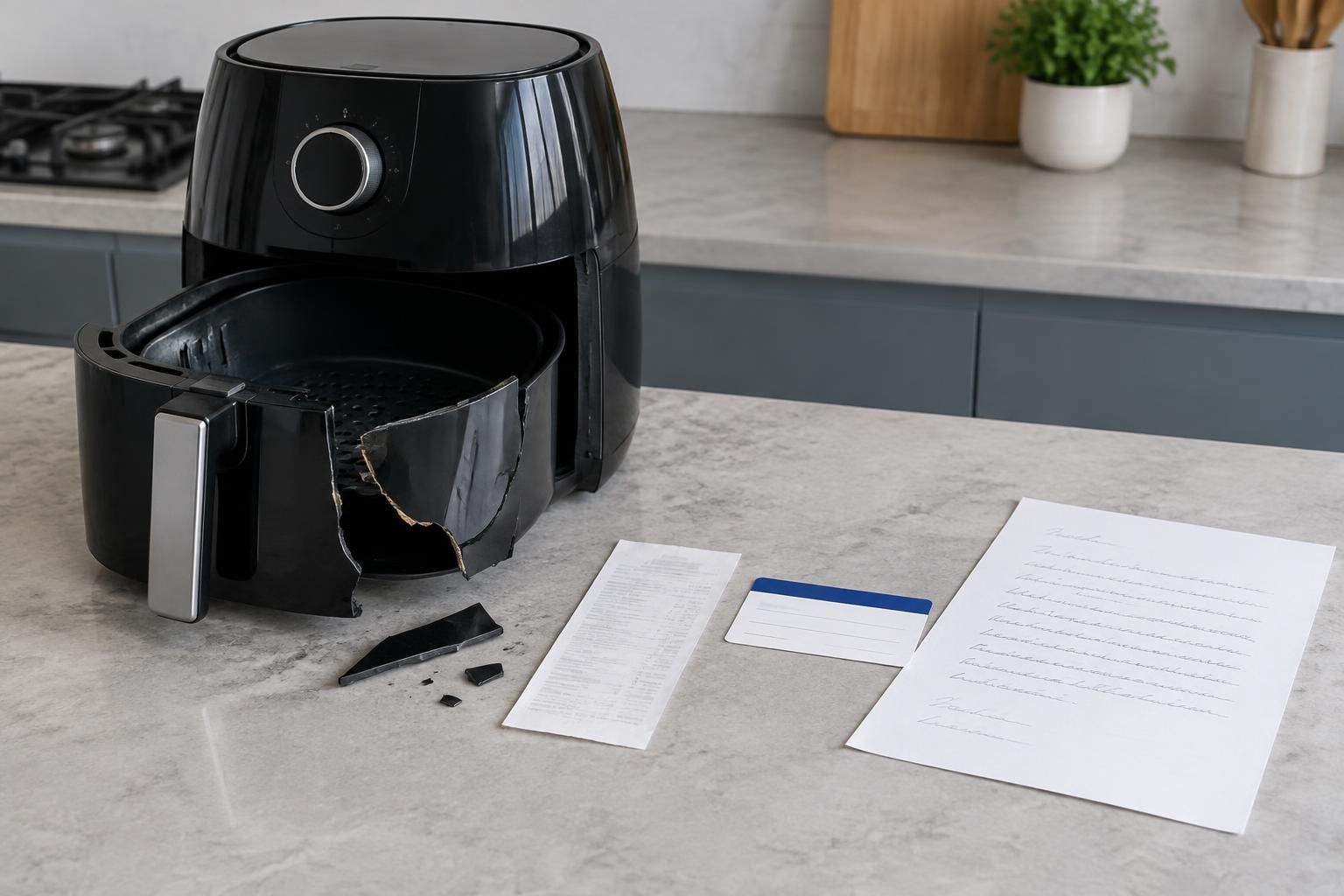
Writing the defect notice
- State purchase date, item, invoice or VIN.
- Describe the defect precisely, attach photos.
- Demand cure — repair or replacement at your choice (§ 439 BGB) — with a reasonable deadline, usually two weeks.
- Announce withdrawal or price reduction if the deadline passes.
Sample text
Dear Sir or Madam,
on [date] I bought [item] from you. Since [date] the following defect has appeared: [description]. I ask you to remedy it by [date] through [repair / delivery of a defect-free item]. If the deadline passes without success, I reserve the right to withdraw or reduce the price.
Yours faithfully
Templates: warranty claim and withdrawal due to defect. More on deadlines: setting a final deadline.
Note: This article is not legal advice.