
The building blocks, top to bottom
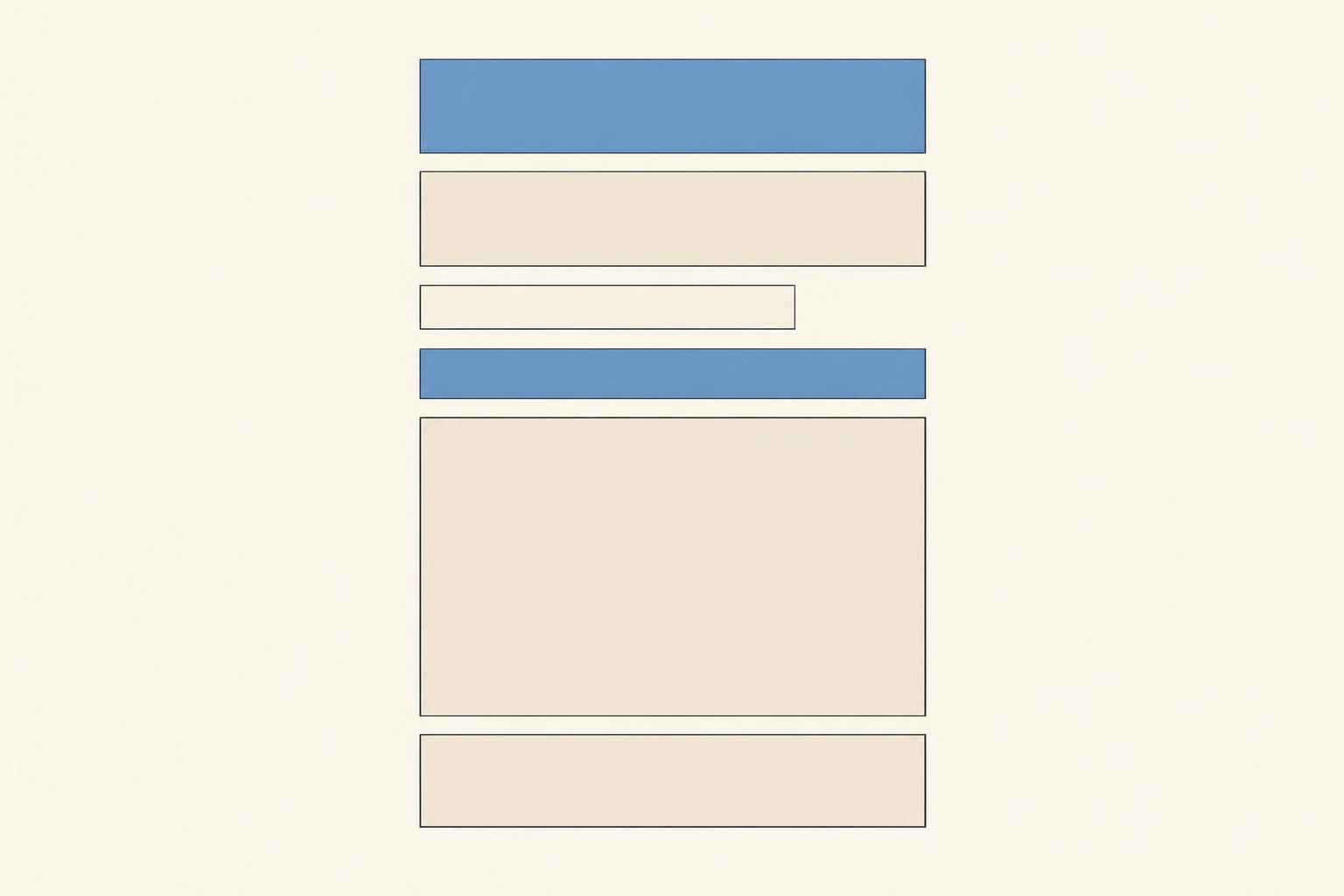
- Letterhead: Company name, address, contact details, optionally a logo. In business correspondence, mandatory details (legal form, commercial register, managing directors) belong in the letterhead or footer.
- Recipient address: Company, optionally department or contact person, street, postcode and city.
- Date: Place and date line, right-aligned, e.g. “Berlin, 18 October 2026”.
- Subject line: One line, bold, without the word “Subject”. For ongoing matters, cite the reference or customer number — it speeds up processing.
- Salutation: “Dear Ms Müller,” — with a comma, then continue lowercase. If the name is unknown: “Dear Sir or Madam,”.
- Body: One matter per letter, short paragraphs, concrete deadlines and amounts.
- Closing and signature: “Kind regards” (no comma), then the name — signed by hand for contracts.
Phrasing that works
- Instead of “I would like to ask you …” be direct: “Please send us the documents by 30 November.”
- Instead of “As already stated several times …” stay factual: “Despite our reminder of 5 October, we have not yet received your payment.”
- Always end by stating clearly what happens next: deadline, desired action, contact channel.
Mind the formal requirements
Some business letters require the statutory written form (§ 126 BGB) — for example terminations of employment and tenancy agreements. Then the original must be signed by hand; an inserted signature image is not enough. If you want to work exactly to standard, find all measurements in the DIN 5008 letter template.
Finish faster with the editor
In the letter editor, the address field, date, subject and closing are already placed correctly — you only write the text. The templates page has ready-made samples for reminders, cancellations and replies you can use directly. This guide is not legal advice.